SEO & ORGANIC GROWTH
Get found, stay relevant, and grow organically with SEO built around the people searching for you.
Build Visibility That Doesn’t Depend on Every Click Being Paid For
People are constantly searching for answers, products, services, and businesses online. If your brand isn’t visible when those searches happen, you’re leaving valuable opportunities on the table. I approach SEO as a long-term growth process — combining keyword research, on-page optimization, content strategy, technical foundations, and performance analysis to improve how your website is discovered and understood by both search engines and people. The goal isn’t simply to attract more traffic.
It’s to attract the right traffic and give it a reason to stay.
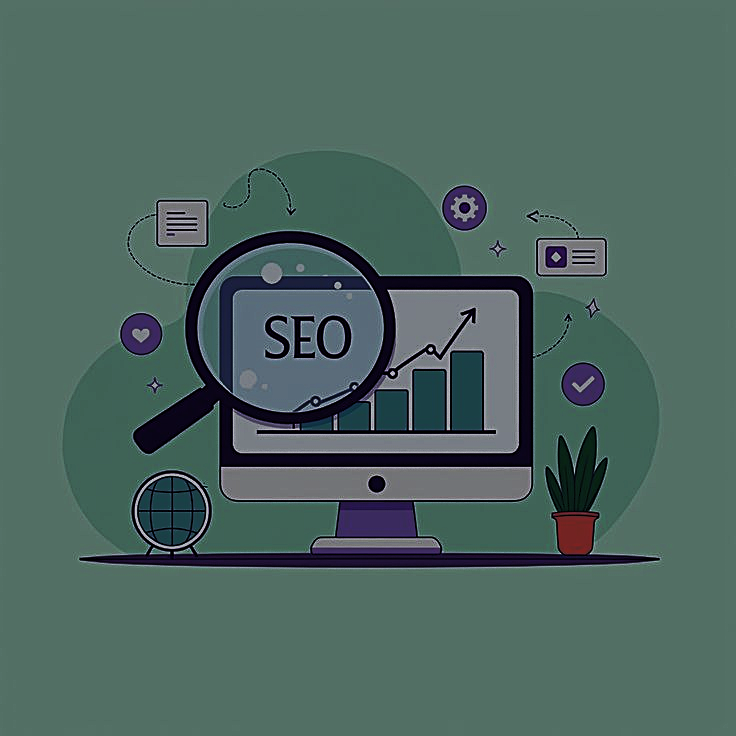
My Strategic Approach
Discover
Understand your business, audience, competitors, search landscape, and the questions your potential customers are asking.
Research
Identify relevant search terms and topics based on what people are actually looking for and the intent behind those searches.
Optimize
Improve important website elements such as pages, headings, content, internal links, metadata, and other on-page factors.
Create
Develop useful content that answers real questions, addresses customer needs, and gives search engines meaningful context about your brand.
Strengthen
Build a stronger website foundation through technical improvements, site structure, user experience, and other factors that support organic visibility.
Learn & Improve
Monitor organic performance, identify opportunities, and refine the strategy as search behavior, competition, and business goals evolve.
Why Search Intent Comes First
Because Ranking for the Wrong Search Means Very Little
Not every search is made by someone ready to buy. Some people are looking for information. Others are comparing options. Some already know what they want and are looking for the right business to choose. That’s why effective SEO starts with understanding why someone is searching, not simply finding keywords with high search volume.
When content matches the intent behind a search, it becomes more useful to the person searching — and more relevant to the journey you’re trying to create.
The goal isn’t to attract everyone. It’s to be found by the people who matter.
Why SEO & Organic Growth?
Getting found online is only the beginning. The real value comes from being visible to the right people, for the right searches, with content that genuinely helps them.
SEO brings together search intent, useful content, website experience, and organic visibility to help your brand attract relevant traffic and build a stronger presence over time. Instead of depending entirely on paid reach, a solid organic strategy helps you earn visibility, build trust, and create sustainable growth.
The goal isn’t just to rank. It’s to be found, trusted, and remembered.
Understand what people actually want when they search and align your content with that purpose.
Find relevant search terms that connect your audience’s needs with your business offerings.
Create useful, original content that answers questions and provides genuine value rather than simply filling pages with keywords.
Improve the structure and content of individual pages so they are easier for both users and search engines to understand.
Strengthen the underlying website experience through areas such as crawlability, site structure, performance, and technical health.
What is SEO?
SEO, or Search Engine Optimization, is the process of improving a website and its content so that it can be more easily discovered and understood through relevant search queries.
How is SEO different from paid advertising?
Paid advertising gives you visibility by paying for placement, while SEO focuses on improving your organic visibility in search results. They can work independently or complement each other depending on the business and its goals.
How long does SEO take to show results?
SEO is generally a long-term process rather than an instant marketing channel. The timeline can vary depending on the website’s current condition, competition, industry, content, technical factors, and the level of work being done.
Can you guarantee that my website will rank #1 on Google?
No responsible SEO strategy should guarantee a specific ranking position. Search results are influenced by many factors outside anyone’s complete control. The focus should instead be on building stronger organic visibility and targeting relevant search opportunities.
Do you only focus on keywords?
No. Keywords are an important part of SEO, but effective organic growth also involves search intent, content quality, website structure, technical foundations, user experience, internal linking, and performance analysis.
What kind of content is useful for SEO?
Useful SEO content should answer genuine questions, solve relevant problems, explain topics clearly, or help people make informed decisions. The format can vary depending on the audience and search intent, including articles, service pages, guides, landing pages, FAQs, and other useful resources.
Can SEO help a new website?
Yes, but a new website typically needs time to establish its content, structure, relevance, and authority. Starting with a clear SEO foundation can help avoid building the website around assumptions that later become difficult to change.
How do you measure SEO performance?
Depending on the objective, performance can be evaluated through metrics such as organic impressions, clicks, search visibility, relevant keyword performance, organic traffic, engagement, leads, conversions, and other business-related outcomes.