AI & MARKETING AUTOMATION
Use AI and automation to simplify repetitive marketing tasks, improve efficiency, and give you more time for meaningful work.
Making Marketing More Intelligent
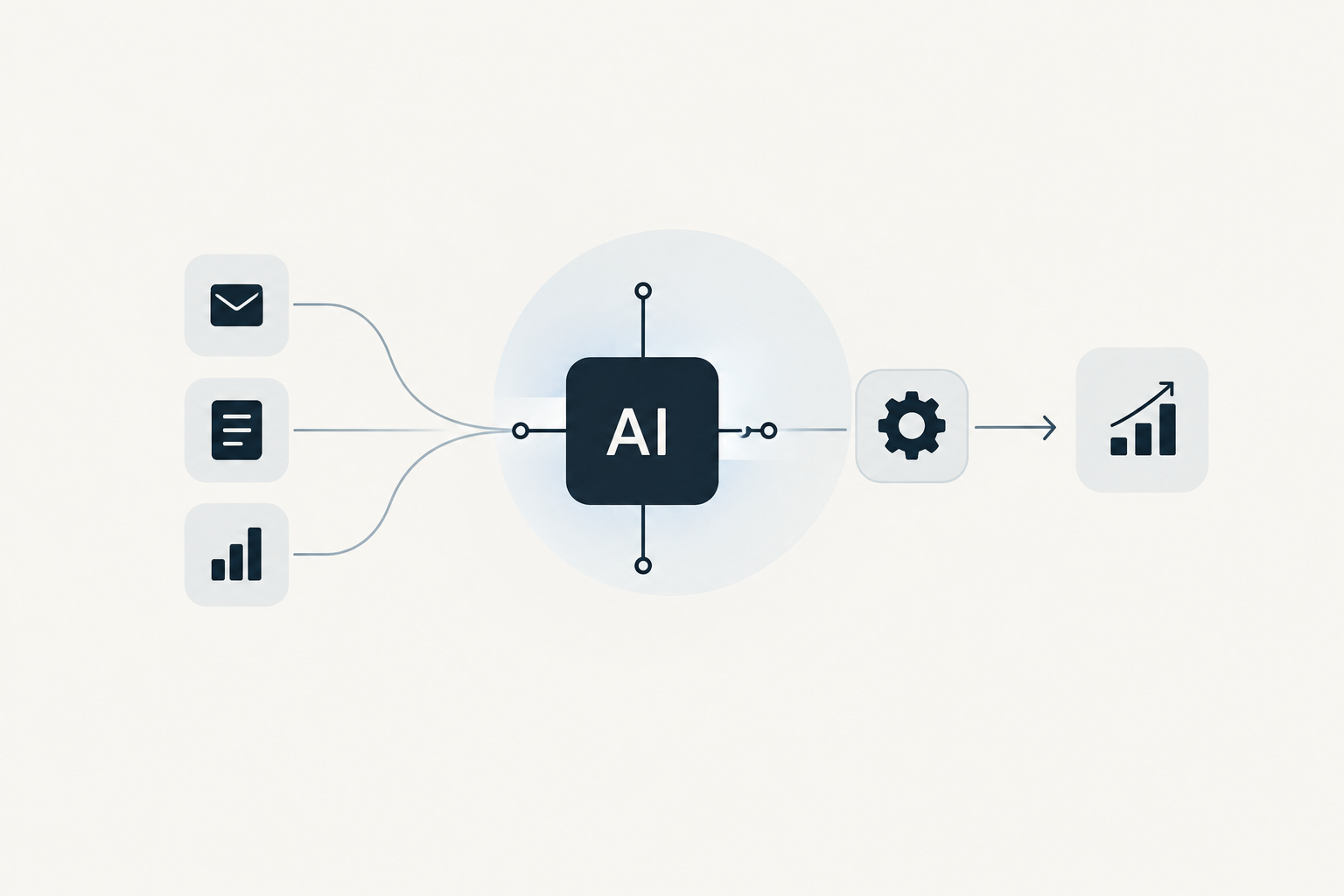
Marketing involves a lot of repetitive work — collecting leads, sending follow-ups, organizing data, creating reports, answering common questions, moving information between tools, and managing routine tasks. Not every task needs to be done manually. I explore where AI and automation can fit naturally into a business’s existing marketing workflow, connecting the right tools and processes to reduce unnecessary manual effort. The goal isn’t to automate everything.
It’s to automate what makes sense, while keeping human thinking where it matters most.
My Strategic Approach
Identify
Find repetitive, time-consuming, or disconnected tasks within the marketing workflow.
Understand
Map how information currently moves between people, platforms, tools, and customers.
Strategize
Determine where AI, automation, or a combination of both can create genuine value.
Build
Design practical workflows that connect the required tools, triggers, actions, and information.
Test
Check whether the workflow behaves correctly and produces useful, reliable outputs.
Improve
Monitor the process, identify gaps, and refine the workflow as the business and its needs evolve.
Why Strategy Comes First
Automation Works Best When It Solves a Real Problem.
Using AI tools just because they are available doesn’t automatically make your business more efficient.
A better approach starts by identifying what takes too much time, what keeps getting repeated, and where processes can work better.
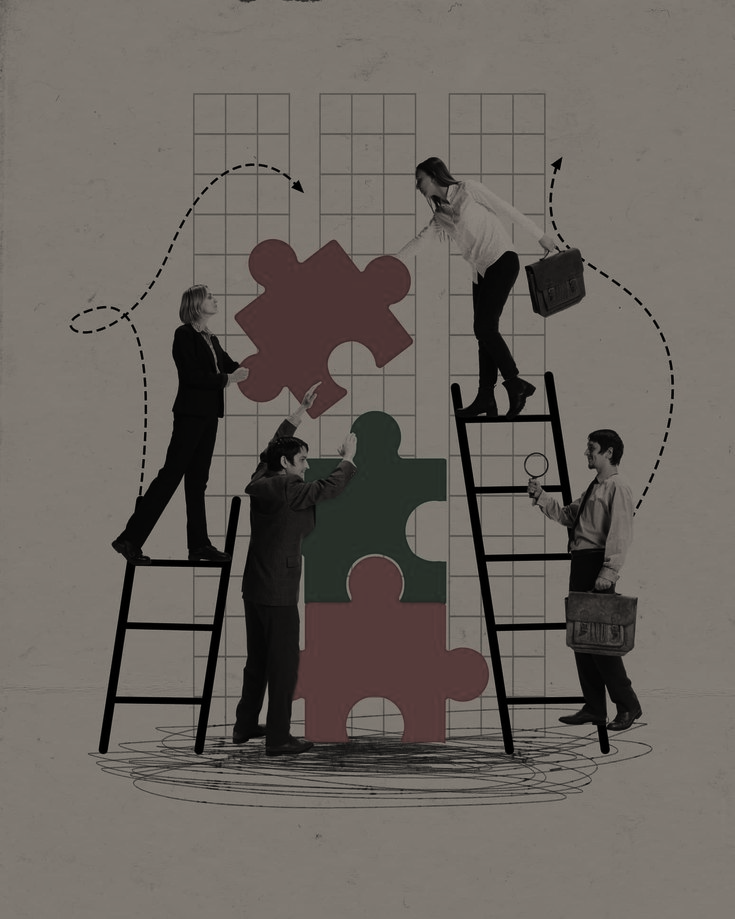
The right automation connects the problem, workflow, and technology into a system that saves time and improves how you work.
- The right problem.
- The right workflow.
- The right technology.
- The right outcome.
WHY DIGITAL STRATEGY?
Because Your Time Should Go Into What Matters.
AI and automation can handle repetitive parts of your marketing workflow, giving you more time to focus on strategy, creativity, relationships, and important decisions.
A smart automation system connects your tools, workflows, data, and communication to make everyday marketing more efficient and consistent.
Instead of manually repeating the same tasks, moving information between platforms, or spending time on routine work, automation helps you save time, respond faster, and build workflows that can scale.
The goal isn’t to automate everything. It’s to work smarter.
Use artificial intelligence where it can genuinely improve research, content, analysis, communication, or decision-making.
Turn repetitive actions into structured workflows that can run with less manual intervention.
Connect the tools a business already uses so information can move between systems more efficiently.
Organize and process information so businesses can understand what is happening and act on it faster.
Design clear processes that define what happens, when it happens, and what should happen next.
Monitor the system, identify friction, and continuously improve how the workflow operates.
What is AI & marketing automation?
AI and marketing automation combine artificial intelligence with automated workflows to reduce repetitive marketing tasks, improve processes, organize information, and support faster execution and decision-making.
Does AI replace the need for marketers?
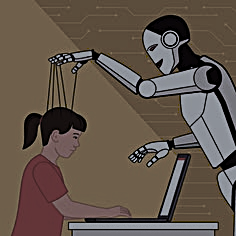
AI can assist with many tasks, but it doesn’t replace the need for human strategy, creativity, judgment, context, and decision-making. The most useful approach is often to use AI as a support system rather than treating it as a complete replacement for people.
What marketing tasks can be automated?
Depending on the business, automation can support areas such as lead management, follow-ups, notifications, data collection, reporting, content workflows, customer communication, task management, and information processing.
What AI tools can be used for marketing automation?
The tools depend on the workflow and business requirements. Different combinations of AI platforms, automation systems, CRMs, analytics tools, communication platforms, and other software can be connected to create a workflow suited to a specific use case.
Do I need a large business to use marketing automation?
No. Even a small business can benefit from automating simple repetitive processes. The important factor isn’t the size of the business but whether there is a genuine process that can be made more efficient.
Will automation make my marketing feel less human?
It can if it is implemented poorly. Automation should handle repetitive processes while human input remains where context, empathy, creativity, and judgment are important. The objective is to make the workflow more efficient without making communication feel robotic.
How do you decide what should be automated?
I look at the current workflow and identify tasks that are repetitive, predictable, time-consuming, or prone to unnecessary manual work. From there, I evaluate whether automation or AI can improve the process without creating unnecessary complexity.
Can existing tools and software be connected?
In many cases, yes. If the platforms provide suitable integrations or APIs, they can often be connected through automation workflows. The exact possibilities depend on the tools involved and what the business needs the system to accomplish.